


18 Aug Using a Cane and Wheelchair for POTS – My Experience
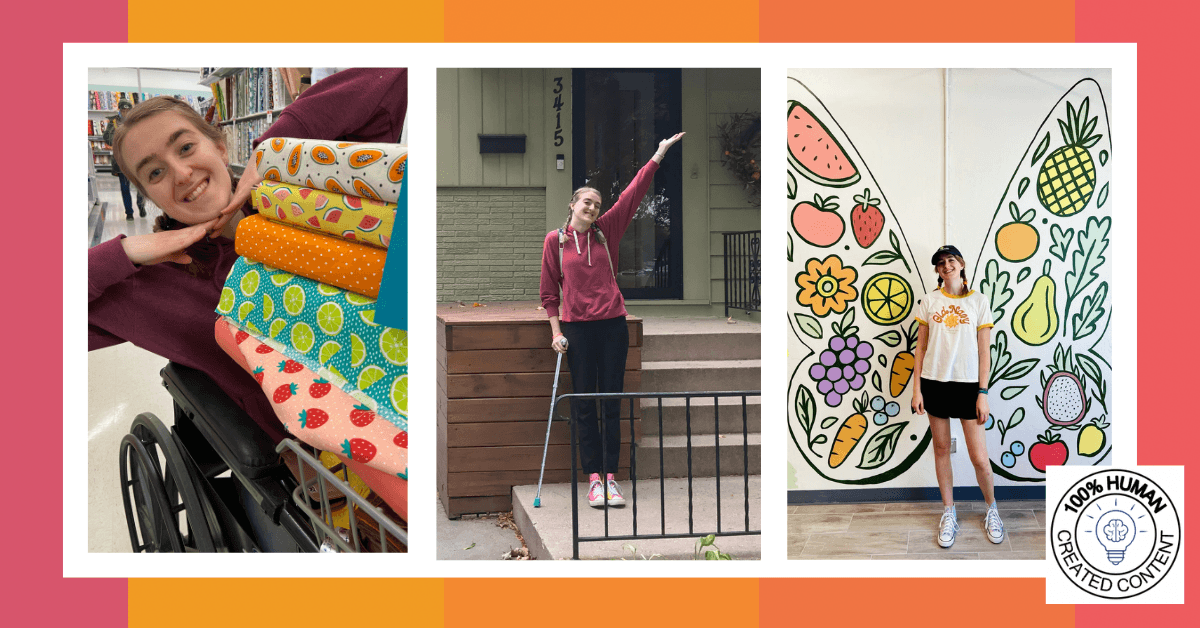
Using a cane and wheelchair have, at times, both been elements of my success in living with POTS, hypermobility, and chronic fatigue syndrome. My thoughts and perspectives have changed over the years, so let’s chat about the pros, cons, and my experience!
My hope is to help share some reasons why these tools are helpful, and also share about letting them go when they no longer are needed.
Using Mobility Aids – A Great Tool!

In the early days of my diagnosis and treatment, the dramatic blood pressure shifts, autonomic dysfunction, and propioreceptive issues were causing me to abruptly fall or lose my balance and collide with things around me. I was starting to resist movement, and was becoming afraid to walk or leave the house. In this era of my journey, using a cane was a great tool to enable more activity.
I quickly found that it helped me to keep my balance and offered something to hold onto if I felt I was going to fall. While it took time to get used to people’s reactions, I found that the visual cue of using a cane also helped me overcome social norms. Choosing to sit when everyone else was standing (like in church) or using my disabled parking tag even though I’m a young person became easier when I felt people could readily identify that I was managing a health condition.
I got a few canes to match my wardrobe: a pink polka dot one for everyday use, a gold one for a wedding I attended, and a blue fold-up one that I could fit in my bag. They each served me well, and it was easier to say yes to things I would’ve been hesitant to do otherwise. As someone who has gotten a concussion from fainting (after standing up too fast), I can see that this was a reasonable and healthy choice for me at a time when my symptoms were not under control.
Using a wheelchair also became a regular part of my health management, especially while I was still undiagnosed or in the early stages of treatment. In the context of ER trips, long hospital corridors, and/or navigating airports, using a wheelchair was a non-negotiable since I physically was not able to walk more than 5-10 minutes depending on the day. Shopping and browsing had also become out of reach, but using a wheelchair meant I was able to occasionally do these fun, and necessary, things again (like thrifting and grocery shopping).
Sometimes we had to get creative, and my sister talked a bit about that during her sibling interview. For example, when we went pumpkin picking we found great amusement in using a pumpkin cart through the muddy fields and corn maze. We also learned that hopping in a shopping cart can double as a wheelchair if there aren’t any available or if we were feeling a tad mischievous.
While not necessarily a “mobility aid,” I’ll also make a quick shoutout to the beloved shower chair. I’m amazed that they aren’t mainstream – I believe that to sit and bask in the shower is one of life’s greatest gifts. That said, my POTS often gets immediately worse while standing (especially in one spot), so being able to sit has offered me safety and helped preserve my energy.
Why I Stopped Using Mobility Aids

Going bowling without mobility aids during the Mayo rehab program! Scary, but I did it!
While not everybody who uses them is able (or should try) to reach a point when they no longer need these tools, I am grateful that POTS is not a static condition and that recovery can be possible. As I began working with the right doctors and found medication that works for me, I truly began to stabilize. I eventually went through the Pain Rehabilitation Clinic through Mayo Clinic which was a partial hospitalization program that included intense physical and occupational therapy and rehabilitation. In getting physically stronger and restoring my confidence in my body’s ability to safely walk, do stairs, and move around, I was tapered off my mobility aids.
I began to realize that using training wheels can be super helpful while learning to ride a bike, but there comes a point when they are no longer needed or helpful. It was in treatment that I reached that point, and was able to start setting it down in favor of free and stable movement.
This was admittedly an emotional journey, and it unexpectedly brought me through the stages of grief. I had held on to these things so tightly for a sense of safety and comfort, that to give them up (especially my cane) was very hard. Denial, anger, bargaining, depression, and acceptance all cycled through my heart after years of habits and patterns of use. But the more I willingly left them behind, my confidence grew by leaps and bounds as I relearned how to move and live with freedom. (Read more about that journey here).
A Sustainable Middle Ground
After an occasional flare, bad faint, or injury, I continue to pull out my cane again or accept a wheelchair. I still often use a shower chair and have a grab bar for safety, and am in the process of installing a second railing to my downstairs after a couple of falls deemed it necessary. That said, in this snapshot era of my life, I don’t regularly use a cane or wheelchair in my daily life. When I start to feel the need to incorporate them back, I take it as an opportunity to revisit the core pieces of recovery and assess how I can focus on strength, stamina, and ability instead of only looking to compensate for the heightened symptoms. Short term changes may include extra salt and water, taking a diaphragmatic breathing break to lower my heart rate, or putting on compression. It may also look like addressing a skewed sleep schedule, recommitting to daily cardio and regular strength training, and eating every meal even if it’s a challenge.
I’m grateful for mobility aids, and the really important place they have had in my journey of doing my best to live life with disruptive symptoms. If you’re someone with POTS or other chronic illness, I’d love to hear about your experience of using mobility aids in the comments!

No Comments