



04 Jun Can You Drive With POTS?
Driving is just sitting, so it’s fine – right? It’s a hard question to actually acknowledge for someone doing their best to live a normal life despite having postural orthostatic tachycardia syndrome (POTS).
The condition primarily impacts women between the ages of 15-25, and certainly, there’s a lot at stake. Whether it is retrieving basic necessities like groceries, getting to/from a place of employment (or school!), or staying involved in community, driving can be a critical piece to living an independent life. While most people don’t need to think about the automatic functions of the body (like heart rate, blood pressure, digestion, pupil dilation, etc.), people with POTS are constantly navigating hiccups in these processes along with their daily life. Some trademark symptoms that can impact driving include tachycardia (excessive heart rate), lightheadedness and passing out, fatigue, light sensitivity, blurred vision, and others. While none of these symptoms are ideal, the main advantage is that the majority of symptoms are dependent on changes in posture, like laying to sitting or sitting to standing, and thankfully, driving is just one static position (although that too, can become a problem after long periods of time).
I have experienced seasons of driving as a reasonable and healthy part of my lifestyle with POTS, but I’ve also had weeks and months when I have stopped driving for the safety of myself and those around me. Below, I’ll touch on some tips to stay safe while managing symptoms, and we’ll also talk about when driving needs to be reconsidered.
Safe Driving With POTS
They say an ounce of prevention is worth a pound of cure, and I think it applies here. POTS is a fluctuating condition, meaning not every moment of every day will bring the same challenges. Weather, hydration level, day of the week, sleep patterns, mental health status, and so many more variables all play into a person’s daily ability and limitations. Because of this, it is a GREAT idea to be ahead of the game and set yourself up for success by ensuring that the easily-controlled risk factors are being taken care of both before, and during, your trip. Here are my tips.
Maximize blood volume.
Keeping blood flowing to the brain is obviously a high priority when it comes to maintaining sharpness while driving. In POTS, the body sometimes struggles to keep enough blood flowing against gravity due to a number of factors such as floppy blood vessels or simply not having enough blood to work with. Regardless, by drinking water and consuming salt we can set ourselves up for success do our best to compensate for deficits beyond our control.
My personal preferred ratio is 1/2 teaspoon of salt to 20 oz of water. It helps me feel better, and I can drink a lot without needing to use the bathroom every 15 minutes. Before driving I make sure I’m well hydrated, and if I’ve been slacking earlier in the day, I keep a pedialyte or normalyte on hand to chug before I put the keys in the ignition.
Use counter-maneuvers.
Another way we can encourage adequate blood flow is by doing “counter-maneuvers.” By squeezing or tensing our muscles we can manually/mechanically force blood upward and help our bodies defy gravity. This is often recommended to Potsies standing in line (squeezing their calves and such), but also has value in the car. Flex your legs, do some tippy-taps with your toes, rock back and forth, do what you can to get the blood moving.
Schedule stops along the way.
I love efficiency, and getting where I need to go ON TIME. If I can avoid making extra stops, I do. That said, a game-changer for me has been to build in time for breaks along the way, especially if I’ll be in the car for more than 30-45 minutes. Getting up and walking around truly helps keep things stable, and has had a noticeable decrease in acute symptoms once I get to my destination.
Get (and stay) regulated.
When I first jump in the car, I typically feel on edge and shaky. I have likely just walked across a parking lot, have done some stairs to get to where I needed to go, or am carrying something heavy, and my pulse is usually beyond 100 bpm. So before I turn the key and get on the road I like to pause and let myself get regulated. Within 3-5 diaphragmatic breaths I’m at a much better spot to be safe and steady. If at any point during the drive I feel escalating symptoms, I return to slow deep breaths.
Be ready for a flare.
A critical part of being a responsible driver is to be honest and prompt in your self assessment, and to take the necessary steps to keep everybody safe – even when it’s not convenient. If you are someone who faints (or nearly faints), this must be upheld: commit to immediate action if there is risk of unconsciousness. If sudden lightheadedness or impaired vision comes on, I’ve already made the commitment to myself to pull over, even if I’m running late. From there I would hydrate (and have some salt), employ counter-maneuvers, and recline my seat for a few minutes if needed. Certainly, arriving late is better than never arriving, or injuring others on the way. Have a list of people you can call if you ever find yourself away from home and needing a ride, and be honest about when you need to pick up the phone and dial those numbers.
When To Reconsider Driving
Just like no text is worth accidentally taking a life, neither is pride, convenience, or denial. Whether it’s your own safety or the safety of the person on the other side of the line, losing consciousness at the wheel can be devastating. Additionally, most states have rules about not driving for 3-6 months after losing consciousness or loss of bodily control due to a neurological condition. Working directly with a doctor to determine driving safety has been an important part of my safe driving plan.
When I lost my ability to drive the first time, I was crushed. It was frustrating to lose what little independence I had left, and it pushed my hopes and goals even further out of reach and made me even more dependent on those around me. But in the midst of feeling frustrated, angry, and helpless, I decided to take responsibility for the reality of the circumstances and do my best in the season I was in.
There ARE alternatives, and they are worth exploring.
Living Life Without Driving
There are several things to consider when formulating a plan for getting around without driving yourself. Can it get complicated? Yes. Is it worth it? Also yes.
Carpool.
This is a great option when available. Coworkers with the same shift, peers who go to the same school, or neighbors who go to the same church are options to be explored. Be brave in asking! I have been amazed at the wonderful conversations and friendships I have developed through carpooling – a blessing I would not otherwise have received!
Public Transportation.
An obvious option, but finding bus routes and familiarizing yourself with local taxis/uber/lyft businesses is a way to get around, especially in bigger cities. For me, this isn’t a cost-effective option for routine activities, but it’s one that I keep in mind for last-minute needs or if a ride falls through.
Miscellaneous transportation options.
I found that my insurance provides free non-emergency medical transportation. That means I have access to rides to/from my doctor appointments, physical therapy, counseling, etc. If you’re in school/university, you may have access to regularly timed bus routes, or there may be transportation offered by the campus for particular circumstances. Working and doing school from home could also be an option, either temporarily or long-term, depending on your needs.
Family and Friends.
Maybe your aunt or sibling lives nearby and can pick up your groceries once a week, or maybe you’ve befriended a retired couple that would love to take you for some errands during the week. Think creatively. Ask nicely. Say thank you.

Conclusion
There are several great ways to set yourself up for success, and each person will have their own rhythm for how they most safely navigate the roads. A comprehensive look at symptoms, symptom triggers, and the effectiveness of prevention tools is critical to the discussion on driving with POTS, and it’s so important to be self-aware through the different seasons. If you’re noticing that you are uncomfortable with your level of symptoms behind the wheel, it’s time to take a look at alternatives to driving that you can implement, even if it’s just for a week or a month while you keep working towards stability and recovery. But as people with a condition known to cause loss of consciousness (or near loss), we also need to be mindful of our limits, and the safety of everyone on the road. There is a time and place when the right thing to do is to stop driving. And that time is before an accident happens, and the place is wherever you are when the decision needs to be made.
I hope this article helps bring clarity and opens the conversation for others to share their experience with making lifestyle decisions in the midst of chronic illness.
-
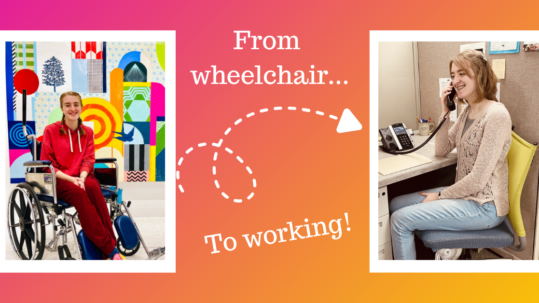
Employment and POTS – Tips for getting back to work
Years ago, I thought there was a 0% chance I’d ever re-enter the workforce - I had a hard enough time keeping myself fed and watered, and being responsible for tasks at a workplace was out of reach. Thankfully, getting treatment and sticking to a routine has enabled me to work about 15-20 hours per week for the last year, and I’d love to share some of the tips that have made it possible. ...
13 June, 2026 No comment -

Recovery with POTS and CFS
It has been 8 months since graduating from the Mayo Clinic Pain Rehab Program, and I continue to be 85% recovered (depending on the day) from postural orthostatic tachycardia syndrome (POTS) and chronic fatigue syndrome (CFS). I never would have imagined that my health could make such......
28 October, 2024 1 Comment -

Making a Full Physical Recovery – A Day-by-Day Miracle
“You should exercise more.” A brutal statement. One I had tried to fulfill on my own, and time and time again, had failed. It was a frustrating piece of advice from my doctor, and felt so out of reach as I navigated my bouquet of chronic illnesses....
27 June, 2024 4 Comments

Pingback:What If I'm Faking It - Living With an Invisible Disability - Kaley Faith
Posted at 22:53h, 04 June[…] are times when I am struggling so much I wonder if I’ll ever drive again. I wonder if I’ll ever cook a meal again. I spend 24 hours straight laying in my bed with […]